

The Indian real estate sector is likely to grow and undergo major technological advancements between 2025 and 2030. Some real estate trends likely to continue are the appreciation in residential real estate value due to demand and urbanization in Tier-II and Tier-III cities. The influence of PropTech on the real estate market is similarly likely to grow, with AI and VR technologies expected to reshape property transactions. Sustainability has moved beyond a passing trend and is seen as a core requirement in new construction. In addition, the demand for affordable housing in the next five years is likely to remain strong due to government programs, a growing middle class, and-o vector other things- investor interest in this housing segment.

India Real Estate Forecast (2025-2030): An Investor’s Guide to the Next 5 Years
Having gone through the disarray of the early twenty-first century, the Indian real estate industry displays extraordinary tenacity. It is ready for the next stage. For purchasers, the most prominent question becomes, what do the following years look like? What are the most important real estate sector future predictions for the rest of the decade?
This extensive research examines the Indian real estate market for the next five years. The segment analyzes the most prominent and developing trends, the future of pricing, and the technology that is fundamentally changing the sector.
Understanding the Current Market Climate: The 2025 Outlook
It is important to consider the current climate before positioning the market in 2025. The market in 2025 should be characterized by:
Sustained Demand: Continued strong end-user demand is the most critical driver for market growth, particularly in the residential sector.
Stable Interest Rates: A stable interest rate environment translates to sustained buyer confidence.
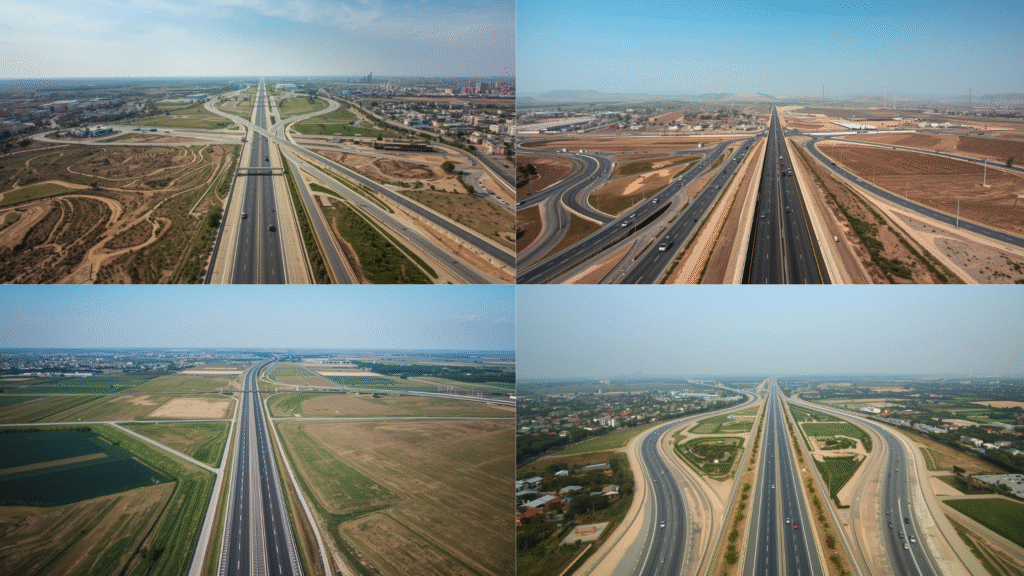
Infrastructure Push: New government spending on mega infrastructure projects, from national highways to new airports, is unlocking real estate opportunities all over the country.
Regulatory Maturity: The ongoing impact of RERA has fostered greater transparency and accountability which has improved the attractiveness of the market for potential investment.
All of the above provides the basis of stability which allows for the positive transformative real estate trends likely to be manifested by 2030.
Trends in India’s Residential Real Estate 2025-2030
The last five trends expected to shape India’s real estate story for this decade.
1. Rise of Tier II and Tier III Cities
The Indian real estate story is no longer confined to the metros. Tier II cities like Jaipur and Lucknow and smaller cities like Coimbatore and Visakhapatnam are becoming the new growth engines. These cities are becoming new growth engines due to:
– Fast Developments in Connectivity: New country and region highways, new and improved regional airports, and new and improved railways and networks.
– Growth of New IT/ITeS Hubs: Companies building new IT campuses in these smaller cities which creates jobs and drives the need for housing.
– Affordability and Quality of Life: Attracted professionals and retirees due to a lower cost of living and better urban planning.
This trend is the most obvious trend in real estate, indicating that a portfolio is likely a diversification of investments.
2. Predicting Changes in Real Estate Prices by 2030
Predicting real estate prices is one of the most challenging obligations of an investor. Despite trying to forecast accurate values for every market sector, appreciation in real estate will most likely be steady. It will most likely be normal appreciation without having speculative elements. Predicted appreciation will most likely be as follows:
Consistent Mid-to-High Single-Digit Growth: In major markets, expected average prices will most likely increase in the average range of 6-9% annually.
Greater Premium for Quality: Well-situated projects constructed by recognized developers, certainly those having green badges, will include the modern amenities constructed in eco-friendly settings, will advance an anticipated price.
Micro-Market Disparities: Price advancement will not be consistent. Areas that are developing new infrastructure or are becoming commercial centers will exceed simple city averages.
3. Sustainability and Green Buildings Become Mainstream
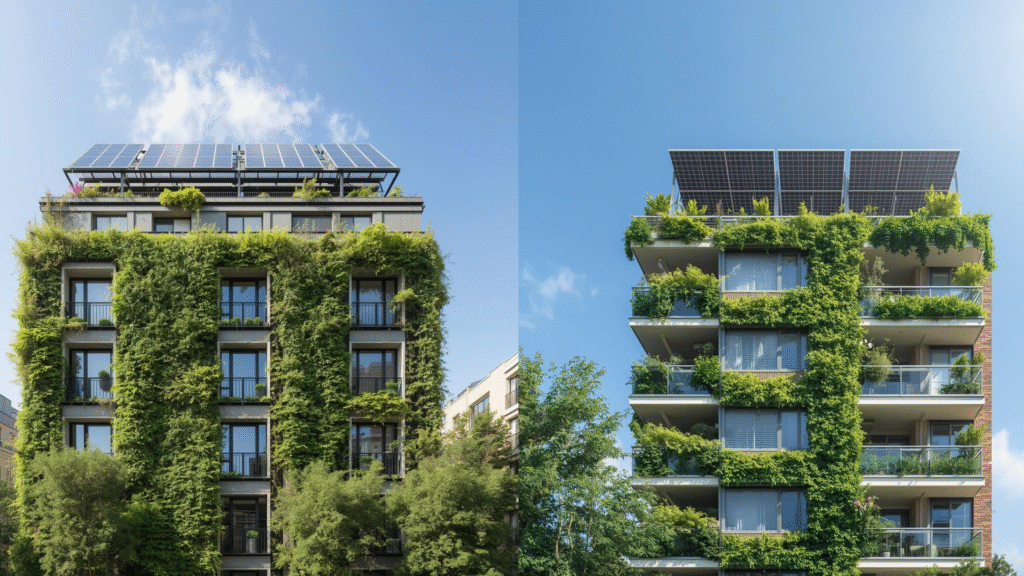
Sustainability efforts within Environmental, Social, and Governance (ESG) frameworks are increasingly shifting from boardroom discussions to architectural designs. Modern buyers are eco-friendly and want energy-efficient and sustainably built homes. This trend will only continue as developers incorporate features such as:
- Rainwater harvesting systems
- Solar panels for lighting in common areas
- Comprehensive waste management systems
- Green waste recycling facilities
- Expansive green spaces and community parks
Developed properties obtaining green certifications will experience greater demand and possibly higher rental yields and resale values. Green certifications include IGBC and GRIHA.
4. Unstoppable Impact of PropTech on Real Estate Market Forecast
As the most important disruptor, technology continues the integration of PropTech, which streamlines technology-assisted real estate processes and improves user experience. The most important innovations that will shape the future include:
AI and Big Data: AI technology improves the precision of property value estimations, investment potential analysis, and identification of tailored property matches.
VR and AR: The ability to take virtual property tours and experience homes remotely caters to National Resident Indian (NRI) and out-of-state investors. Moreover, property buyers will appreciate even more spatial immersion technology.
Blockchain: Greater transaction and property record trustworthiness are achieved through secure land records and property transaction processes.
Construction Tech: Use of construction innovations like 3D printing and prefabrication will improve construction quality control and shorten building time.
PropTech’s positive impact will continue to increase, and the market will become efficient, accessible, and transparent.
5. The Future of Affordable Housing Demand Next 5 Years
Even while attention might be concentrated on luxury and mid-tier properties, the demand for affordable housing is, and for the foreseeable future, will continue to be, underserved. This will remain a government focus. The main expectations are:
More Continuous Policy Engagement: Government policies, such as the Pradhan Mantri Awas Yojana (PMAY) and likely versions of the program, will remain subsidy and incentive frameworks for aided housing.
The Entry of Private Players: Increased involvement of new organized players provides affordable housing stream new suppliers of higher quality and standards.
Concentration on Outlying Areas: New affordable housing schemes will likely be built on the outskirts of large cities and metro regions where the land is cheaper, and where the connectivity is rising.
The demand captured from the lower and middle classes makes this a defensive high volume stream, important for the overall wellbeing of the real estate market.
Final Thoughts: A Market of Smart Opportunities
There are many reasons to consider the forecast for India’s real estate market for the years 2025-2030 to be positive. It will also be more nuanced. The next few years won’t just be about property ownership trends. It will be about property ownership trends with purpose.
Investors and potential buyers who pay attention to and track these critical trends in real estate will be most likely to achieve their goals: concentrating on rapidly growing urban centers, investing in eco-friendly buildings, embracing technology, and understanding the market dynamics of various housing constituents, especially affordable housing, will pay dividends. The Indian real estate market is just starting to unfold its next captivating chapter.